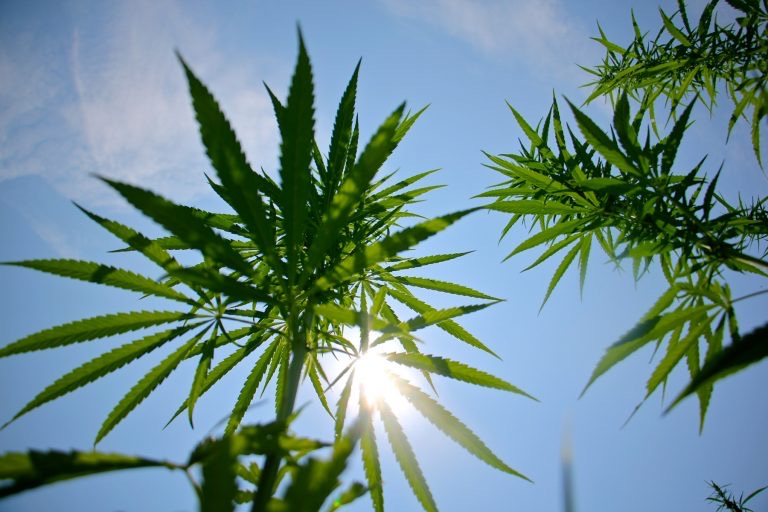
The world of plants is a fascinating realm where names hold the keys to understanding their characteristics, origins, and evolutionary stories. Whether you’re a botanical enthusiast or a cannabis connoisseur, you’ve likely encountered terms like “Sativa,” “Indica,” and “Ruderalis.” But what do these words mean in the context of botanical nomenclature? In this blog post, we’ll embark on a journey through the intricate world of plant classification and uncover the stories behind these names.
1. Sativa: The Cultivated Wanderer
The term “Sativa” originates from Latin, particularly from the word “satus,” which means “sown” or “cultivated.” In botanical nomenclature, “Sativa” is employed to designate plant species or varieties that have been deliberately cultivated by humans. Years ago I heard the term “sativa” to mean “useful plant”, haven’t heard much on that since then but I do think of that a lot. It serves as a marker, signifying the profound influence of human intervention in shaping the characteristics of these plants.
While “Cannabis sativa” is perhaps the most famous example, “Sativa” extends its reach beyond the world of cannabis. It is a versatile term used to describe various cultivated plant varieties. When you encounter “Sativa” in a plant’s scientific name, remember that it stands as evidence of the role of human cultivation in molding that specific plant.
2. Indica: The Global Voyager
Like “Sativa,” “Indica” has its roots in Latin, and it carries an association with India. However, its usage goes beyond Indian plants. In botanical nomenclature, “Indica” denotes that a particular plant or variety is either cultivated in India or shares taxonomic connections with the Indian subcontinent.
Over time, the term has broadened its scope to encompass plants from diverse regions around the world. “Indica” serves as a reminder of the multifaceted origins of cultivated plant varieties and their place in the broader field of botany. While it may have a historical link to India, it carries a universal message about the plant’s place of origin or taxonomic lineage.
3. Ruderalis: The Resilient Survivor
The term “Ruderalis” invites us into the world of ecological adaptation. In botanical classification, “Ruderalis” is a label assigned to plant species that excel in disturbed or man-made environments. Think of roadsides, construction sites, or other locations where human activities have disrupted the natural habitat. These plants are characterized by their resilience, rapid growth, and adaptability to challenging conditions.
For instance, “Cannabis ruderalis” is a variety known for its ability to thrive in harsh environments. The term “Ruderalis” encapsulates the survival strategy employed by these plants, making them ecological survivors.
The study of plant nomenclature is a captivating endeavor that offers insights into the origins, traits, and adaptability of plant species. “Sativa,” “Indica,” and “Ruderalis” aren’t just words; they are keys to understanding the intricate interplay between human cultivation and natural adaptation in the plant kingdom.


 Silphium Extracts
Leave a comment